
Art is the heartbeat of civilization. From ancient cave paintings to digital installations, it has served as a mirror, a megaphone, a healer, and a bridge across divides. In an era of rapid technological change, economic uncertainty, and social fragmentation, the role of art in fostering a healthy society is more vital than ever. A healthy society is not merely one with economic prosperity or physical safety; it is one where individuals thrive mentally and emotionally, communities cohere around shared values, creativity drives innovation, and diverse voices contribute to collective progress. Art underpins all these elements.
Defining Art Broadly and Its Universal Reach.
Art encompasses visual works, music, literature, theater, dance, film, and emerging digital forms. Photography stands out as one of the most democratic and powerful mediums within the visual arts. Since its invention in the 19th century, photography has democratized image-making, allowing everyday people, not just trained painters, to capture, preserve, and share moments of beauty, truth, and struggle. It requires no formal studio or expensive materials beyond a smartphone, making it uniquely accessible across socioeconomic lines. This breadth makes art, including photography, powerful and inclusive. Surveys show that 76% of Americans consider arts and culture personally important, with 72% believing they help unite people from diverse backgrounds. Art transcends language barriers, allowing emotional and intellectual connection where words fail.
Historical Foundations: Art as Shaper of Societies.
Throughout history, art has documented, critiqued, and catalyzed societal evolution. Ancient Egyptian hieroglyphs and Greek sculptures reinforced cultural identities and political power. The Renaissance, fueled by patronage and humanism, sparked scientific and philosophical advances alongside artistic mastery, think Leonardo da Vinci’s integration of anatomy and perspective.
In the modern era, photography has played a transformative role. Jacob Riis’s late-19th-century images of New York tenements exposed slum conditions and spurred housing reforms. Lewis Hine’s photographs of child laborers in factories helped pass child labor laws in the early 20th century. During the Civil Rights Movement, images like the 1963 photograph of police dogs attacking protesters in Birmingham or the raised fists at the 1968 Olympics galvanized national and global support for equality. War photography, from Robert Capa’s images of D-Day to Nick Ut’s searing 1972 photograph of a napalmed child in Vietnam, brought the brutal realities of conflict into living rooms and shifted public opinion, contributing to policy changes and anti-war movements.
Pablo Picasso’s Guernica (1937) immortalized the horrors of the Spanish Civil War, while contemporary photographers like Sebastião Salgado document humanitarian crises and environmental degradation with haunting beauty. Protest photography and street art, from AIDS activism images to Banksy’s satirical stencils, have mobilized movements for civil rights, environmental justice, and gender equality. These examples illustrate art’s dual role: reflecting society’s ills while inspiring change. Without it, societies risk losing historical memory and the imaginative tools needed for progress.
Psychological and Individual Well-Being: The Foundation of Societal Health.
A healthy society begins with healthy individuals. Art provides profound mental health benefits. Art therapy reduces anxiety, depression, and stress while improving cognitive function and emotional regulation. Studies link even brief creative sessions to lowered cortisol levels.
Photography offers unique therapeutic value. The practice of mindful photography, intentionally observing and framing the world, acts as a form of meditation, encouraging presence and gratitude. Patients in recovery programs often use photography to process trauma, rebuild self-esteem, and document personal growth. For cancer patients, guided art sessions, including photography projects, decrease negative emotions and boost well-being. Caregivers report reduced stress. In children and adolescents in mental health units, creative expression through photography correlates with improved mood and anxiety management. Broader engagement shows that 60% of adults say the arts helped them cope during mental or emotional distress, and 75% would follow a doctor’s recommendation to participate in the arts for health.
These benefits scale societally. Lower rates of depression and anxiety reduce healthcare burdens, increase productivity, and decrease social isolation, a known risk factor for premature death comparable to smoking. Communities with strong arts access, including public photography exhibits and workshops, report better overall well-being, fewer cases of child abuse and neglect (14% lower in low-income areas with cultural resources), and reduced serious crime (18% lower).
Social Cohesion and Empathy: Building Bridges in Divided Times.
Art fosters empathy by allowing people to inhabit others’ perspectives. Reading literature or viewing narrative art activates brain regions associated with social cognition. Photography excels here: a single powerful image can convey complex human stories, evoking empathy across cultural or ideological divides. Collaborative projects, community photo walks, shared mural creation, theater ensembles, or group exhibitions require listening, compromise, and mutual respect, strengthening social bonds.
Research links arts participation to higher rates of volunteering (more than twice as likely) and increased civic engagement. In diverse neighborhoods, shared cultural experiences, such as viewing local photography exhibits that celebrate neighborhood history or immigrant stories, build “we-making,”turning individual identities into collective strength.
Public art, festivals, and photography installations create vibrant spaces that enhance neighborhood livability and community identity.
Economic Vitality: Art as an Industry and Catalyst.
Far from a luxury, the arts are a major economic driver. In the U.S., arts and cultural industries contributed $1.2 trillion to GDP in 2023 (4.2% of the economy), growing faster than the overall economy and supporting millions of jobs. The photography sector alone, professional services, stock imagery, equipment, education, and related tech form a significant portion of this ecosystem, fueling everything from advertising to social media platforms.
Nonprofit arts organizations generated $151.7 billion in economic activity in 2022, supporting 2.6 million jobs and $29.1 billion in tax revenue. Beyond direct impact, the arts drive tourism, real estate values, and innovation. Cities with thriving arts scenes, including vibrant photography festivals like those in Paris or New York, attract talent and investment, creating virtuous cycles of growth.
Investment in arts education yields long-term returns: students with arts exposure, including digital photography classes, show higher academic achievement, graduation rates (90.2% vs. 72.9%), and college attendance. They develop critical thinking, problem-solving, and collaboration skills essential for a 21st-century workforce.
Education, Creativity, and Innovation.
Art education nurtures divergent thinking, the ability to generate multiple solutions, which underpins innovation. Photography teaches composition, timing, light, and storytelling, skills that transfer to fields from science to marketing. STEM fields benefit from integration with the arts (STEAM), producing more well-rounded, adaptable professionals. 84% of Americans see arts and STEM as complementary.
Creativity fostered by art, including the technical and aesthetic demands of photography, helps societies adapt to challenges like climate change and AI disruption. Historical leaps in technology often coincided with artistic flourishing, as imagination and rigorous technique reinforce each other. Today, photographers experimenting with drone imagery or AI-enhanced techniques push boundaries in environmental monitoring and documentary work.
Cultural Preservation, Diversity, and Identity.
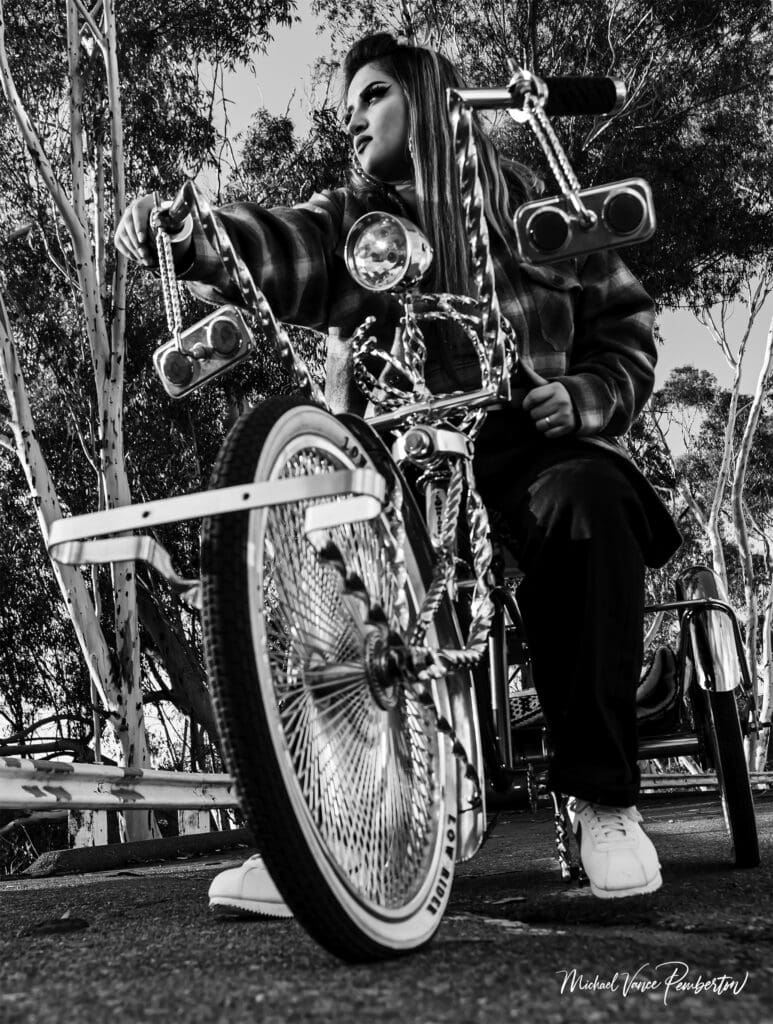
In multicultural societies, art preserves heritage while allowing evolution. Indigenous art, diaspora literature, and fusion music maintain roots and build new identities. Photography plays a crucial role here, archiving family histories, cultural ceremonies, and vanishing landscapes. Projects like the Smithsonian’s community photography initiatives or personal family archives prevent cultural erasure and enrich the collective tapestry.
Art also challenges dominant narratives, amplifying marginalized voices. Feminist photography, queer portraiture, and postcolonial documentary work have expanded societal understanding of justice and belonging. A society that values diverse artistic expression, including accessible photography, is more resilient and innovative.
Political and Social Change: Art as Catalyst and Conscience.
Art has toppled regimes and advanced rights. Songs fueled civil rights marches; murals protested dictatorships. Iconic photographs have often been the sparks of Tiananmen Square, the fall of the Berlin Wall, or climate protests circling the globe. In authoritarian contexts, underground photography and smuggled images sustain hope and dissent. Even in democracies, photojournalism, satirical visual memes, documentaries, and street photography hold power accountable.
By evoking emotion alongside reason, art mobilizes where data alone fails. Photography makes abstract issues visceral. Images of melting glaciers or flooded neighborhoods drive environmental action more powerfully than statistics alone.
Challenges and the Need for Support.
Despite evidence, the arts face underfunding, especially in education and public programs. Economic pressures sideline “non-essential” creative pursuits, yet data show the opposite: arts strengthen resilience. 92% of Americans support quality arts education for all students, and majorities back government funding for arts to address mental health, jobs, and community development. Digital divides risk limiting access to tools like cameras or editing software, but community programs and smartphone-based initiatives can bridge this gap.
Societies must prioritize inclusive arts programs, public funding, and integration into daily life, from schools teaching photography basics to workplaces encouraging creative expression and urban planning incorporating public photo exhibits.
Conclusion: Investing in Art is Investing in Humanity.
Art is not a frivolous add-on but a cornerstone of healthy societies. It heals minds, unites communities, drives economies, sparks innovation, preserves cultures, and propels justice. Photography, with its immediacy and accessibility, exemplifies this power, turning ordinary moments into catalysts for empathy, reform, and connection. From individual cortisol reduction to trillion-dollar GDP contributions, the impacts are measurable and profound.
A society that neglects art becomes brittle, less empathetic, less creative, less joyful. Conversely, one that nurtures it flourishes. Policymakers, educators, businesses, and citizens must champion arts access, education, and funding. Support local galleries and photo walks, attend performances, encourage children’s creativity with a camera, and advocate for public investment.
In turbulent times, art and the lens of photography make us more human. By embracing it fully, we build not just healthier societies, but wiser, kinder, and more vibrant ones capable of meeting the challenges and opportunities of the future.
Recent Posts
Twenty Years in the Wild: The Patience Behind Capturing the Swallow Migration.
The Colorado River near Castle Dome glowed with first light, the water turning from ink to molten copper as the desert woke. Out of the riparian thickets rose a living wave of thousands of Tree...
Hey there, fellow shadow chaser. If you’re reading this, you’ve probably stood in golden hour light, watched a bird, a car, or a lone tree melt into a perfect black shape against a blazing sky,...