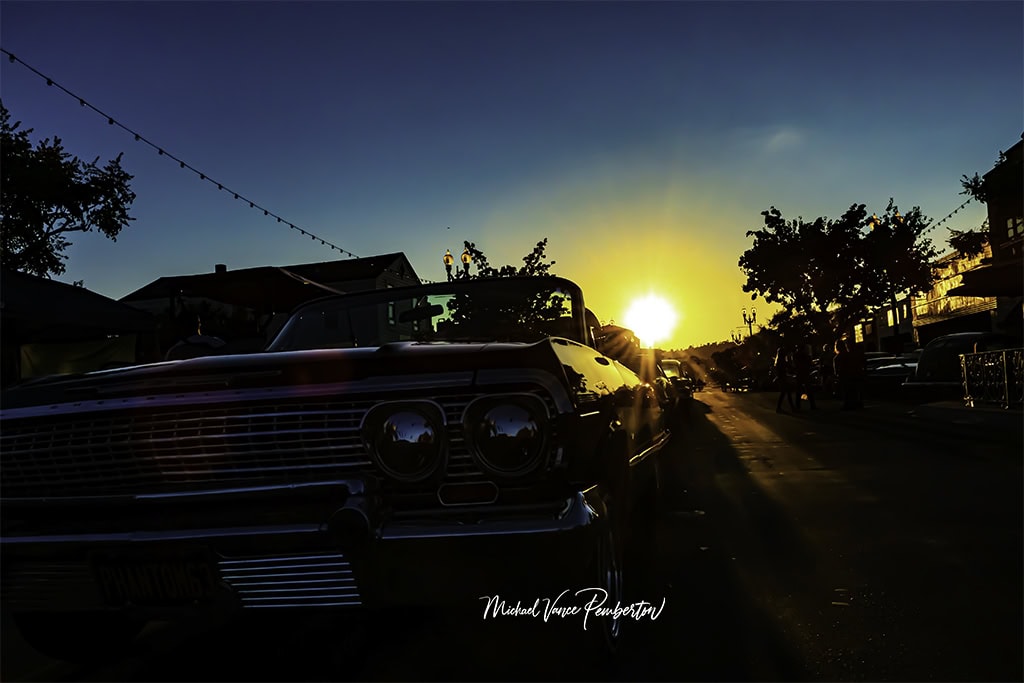

Hey there, fellow shadow chaser. If you’re reading this, you’ve probably stood in golden hour light, watched a bird, a car, or a lone tree melt into a perfect black shape against a blazing sky, and thought: I need that in my portfolio. Then you tried it, got a muddy blob instead of drama, and wondered why everyone else makes it look so easy.
Welcome to silhouette photography, the art of doing more with less. It’s meaningful because it strips everything down to the essence: form, emotion, story. It’s funny because half the time you’re fighting your own camera like it personally betrayed you. It’s motivating because once you nail it, those images hit harder than a triple espresso. And it’s educational because I’m about to hand you 25 years of hard-won lessons from the deserts of Arizona, the plains of Yellowstone, lowrider cruises in Southern California, and plenty of embarrassing failures along the way.
I’m Michael Vance Pemberton, wildlife and landscape photographer, lowrider culture chronicler, abstract dreamer, and proud late bloomer who discovered the lens while caregiving for my Aunt Kathey across ten years of American roads. Silhouettes became my secret weapon early on. They don’t need perfect light on the subject. They thrive on contrast. They forgive chaos. And they make viewers feel something deep without showing a single wrinkle or license plate detail.
Let’s dive in. By the end of this 2,500-word beast, you’ll know exactly how to create powerful silhouettes, avoid rookie (and veteran) mistakes, and turn them into portfolio standouts, print sales, or viral moments. Ready? Grab your camera. We’re going full shadow mode.
Why Silhouettes Hit Different: The Meaningful Magic.
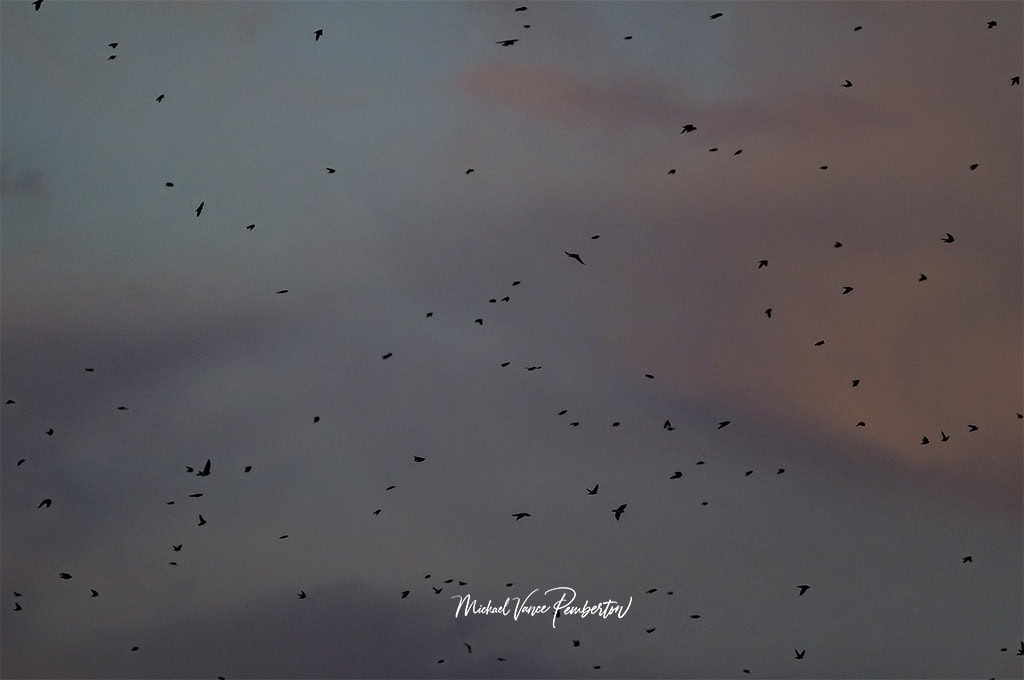
Silhouettes are storytelling minimalism. By removing detail from the subject, you amplify shape, gesture, and environment. A bison against a fiery sunset becomes a symbol of wilderness endurance. A lowrider at dusk turns into pure cultural poetry, chrome edges glowing like neon bones. A flock of swallows exploding across the sky? Twenty years of patience distilled into one dramatic frame.
There’s emotional power here. Viewers project their own stories onto the dark forms. It’s therapy in pixels. In a world drowning in oversaturated, hyper-detailed images, silhouettes cut through like a cool blade. They’re timeless. They work in fine art prints, NFTs, social media, and interior design walls.
Funny story: Early in my journey, I thought silhouettes were “easy mode.” Just point at the sun and underexpose, right? Wrong. My first attempts looked like someone spilled ink on a postcard. One memorable fail involved a majestic saguaro cactus that ended up looking like a confused middle finger. The desert laughed. I learned.
But when you get it right? Pure motivation. That first killer silhouette feels like the universe high-fiving you.
The Technical Foundations: Gear, Light, and Settings (Educational Basics).
Start simple. Any DSLR, mirrorless, or even a decent smartphone with manual controls works. I’ve captured sale-worthy silhouettes with everything from entry-level Nikons to pro bodies. The key is understanding light, not gear.
- Lens choice: Telephoto (70-200mm or longer) for compressing wildlife and isolating subjects. Wide-angle for dramatic landscapes or lowrider scenes with environmental context.
- Tripod: Golden for stability during long exposures or precise composition.
- Filters: Graduated ND for balancing bright skies.
- Hood: Helps reduce flare, though sometimes flare adds magic—experiment!

The Golden Rule of Light
Silhouettes thrive on strong backlighting. Sunrise, sunset, or bright window light where your subject stands between you and the light source. The sky or background should be significantly brighter than the subject.
Pro tip: Meter for the background, not the subject. This underexposes the foreground figure into a clean black shape. In manual mode, start with:
- ISO 100-400 (keep it low for clean files)
- Aperture f/8-f/16 for depth of field
- Shutter speed is determined by metering the bright sky (often 1/500s or faster for sharp edges)
On auto modes? Use spot metering on the sky and dial in negative exposure compensation (-1 to -2 EV). Your camera will fight you; cameras love detail everywhere. Tell it no.
Arizona sunsets are my playground. The Sonoran Desert delivers fiery oranges and deep blues that make subjects pop as pure black forms. In Yellowstone, bison at dawn against steaming geysers create otherworldly drama.
Composition Mastery: Framing the Invisible.
Silhouettes live or die by shape and placement.
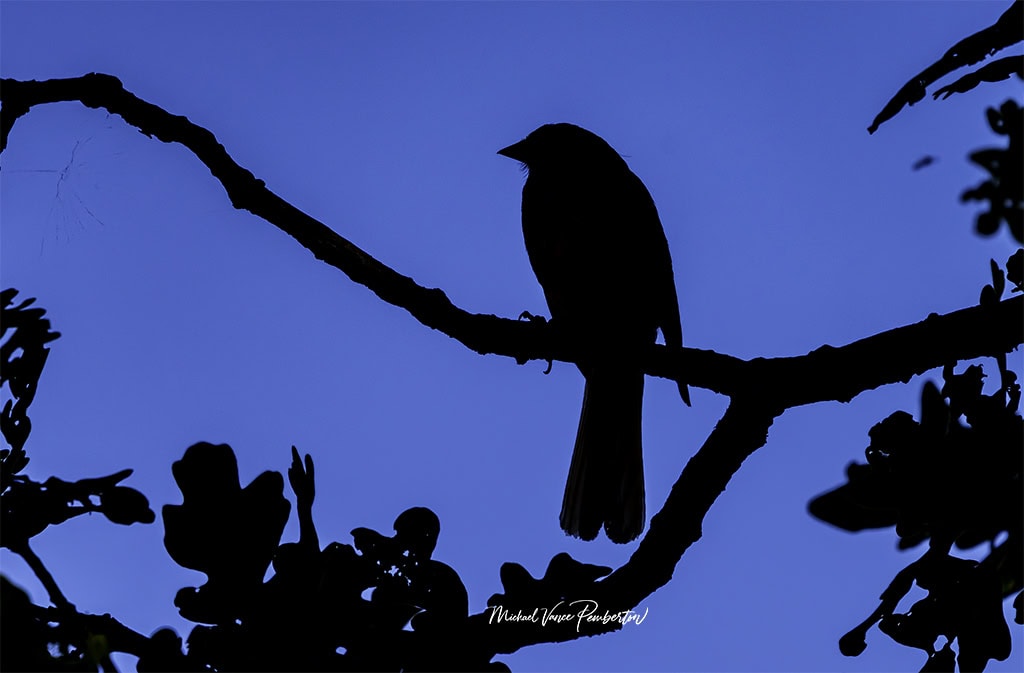
- Strong Subject Outline – Look for recognizable, interesting profiles. A bird with wings spread beats a blob. A lowrider with hydraulics raised creates dynamic angles.
- Rule of Thirds – Place your silhouette off-center. Let the dramatic sky fill the rest.
- Negative Space – Emptiness is your friend. It creates tension and focus.
- Layering – Multiple silhouettes at different distances add depth (think birds in foreground, mountains behind).
- Gesture and Story – A person reaching, an animal mid-stride, a car, popping motion and emotion in outline form.
Educational hack: Walk around your subject. Change height. Get low for heroic scale. Climb for an overview drama. I once lay in the dirt for 40 minutes waiting for a heron to strike the perfect pose. Worth every ant bite.
Funny reality check: Wind is the enemy of sharp silhouettes. One gust and your elegant egret becomes a fuzzy Rorschach test. Embrace it or wait it out.
Niche Techniques: Applying Silhouettes to Your Passion.
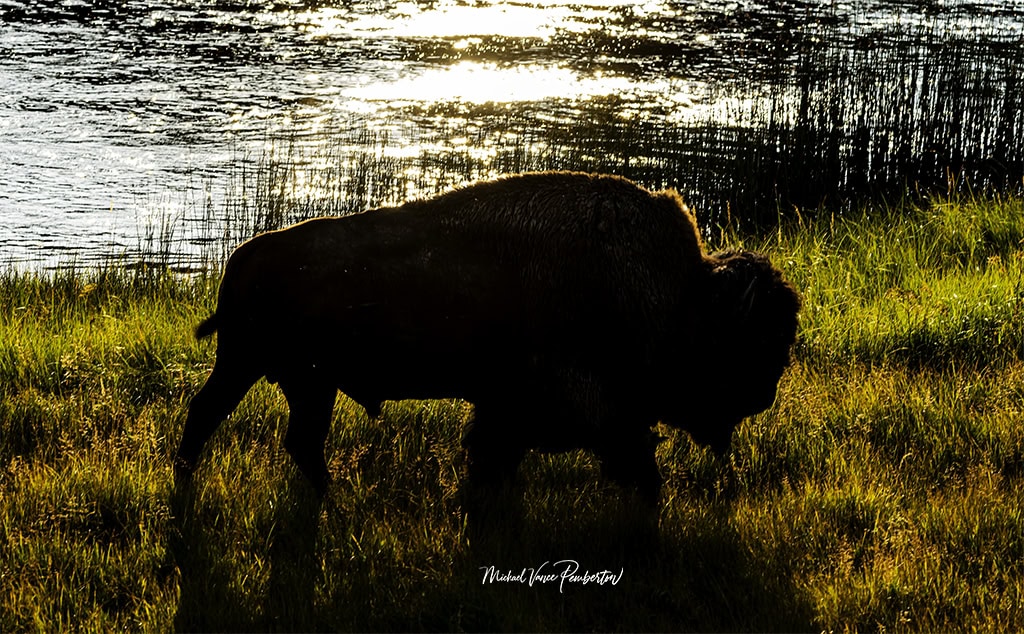
Wildlife Silhouettes (My Desert and Park Obsession).
Birds in flight are silhouettes of gold. My 20+ year swallow migration project along the Colorado River near Yuma? Many hero shots are silhouettes. The key: pre-focus on where the action will happen, burst mode, and patience.
For larger animals, bison in Yellowstone and deer in Cuyamaca Rancho State Park wait for them to crest a hill at sunset. The rim light creates a glowing halo around the black form. Expose for the sky, let the animal go dark. Post-process can recover subtle edge details if needed, but often pure black is stronger.
Motivational note: These shots reward perseverance. I missed the perfect swallow formation hundreds of times before nailing it. Don’t stop.
Lowrider Culture Silhouettes.
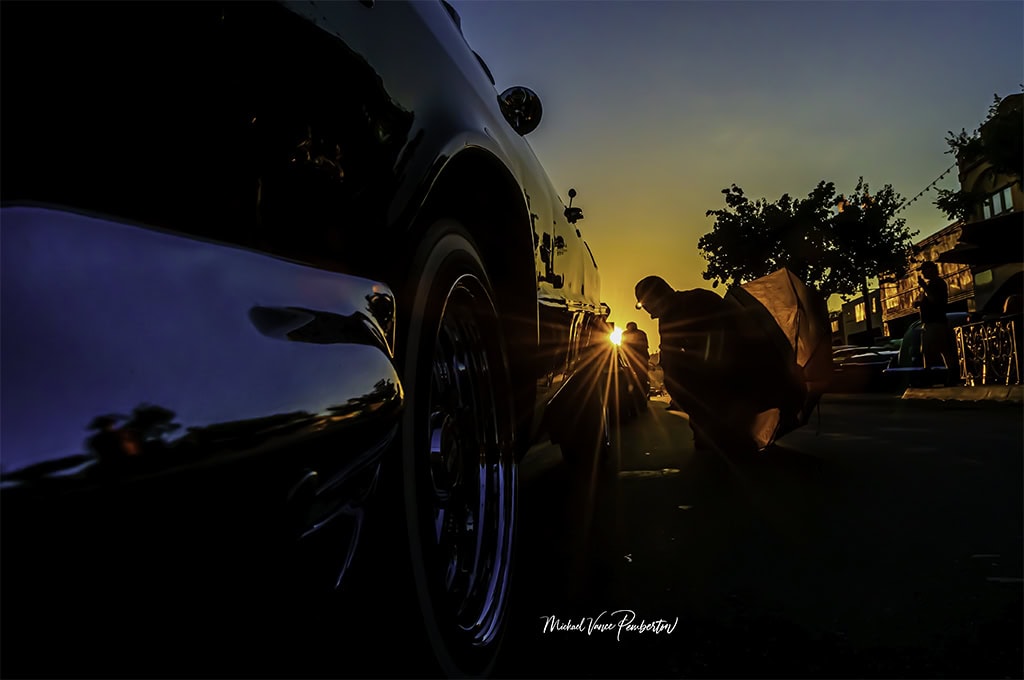
Southern California nights and weekend cruises offer incredible opportunities. The low, sleek profiles of classic Impalas or Cadillacs against neon skies or streetlights scream style. Hopping cars create dynamic jumping silhouettes that celebrate Chicano artistry and “Low and Slow” wisdom.
Technique: Shoot during blue hour or against the setting sun. Use slower shutters (1/30s or longer) on a tripod for light trails from undercarriage lights while keeping the car body sharp as a silhouette. Safety first: respect the community, get permission, and never block traffic.
These images preserve culture while looking badass on gallery walls.

Abstract and Creative Silhouettes.
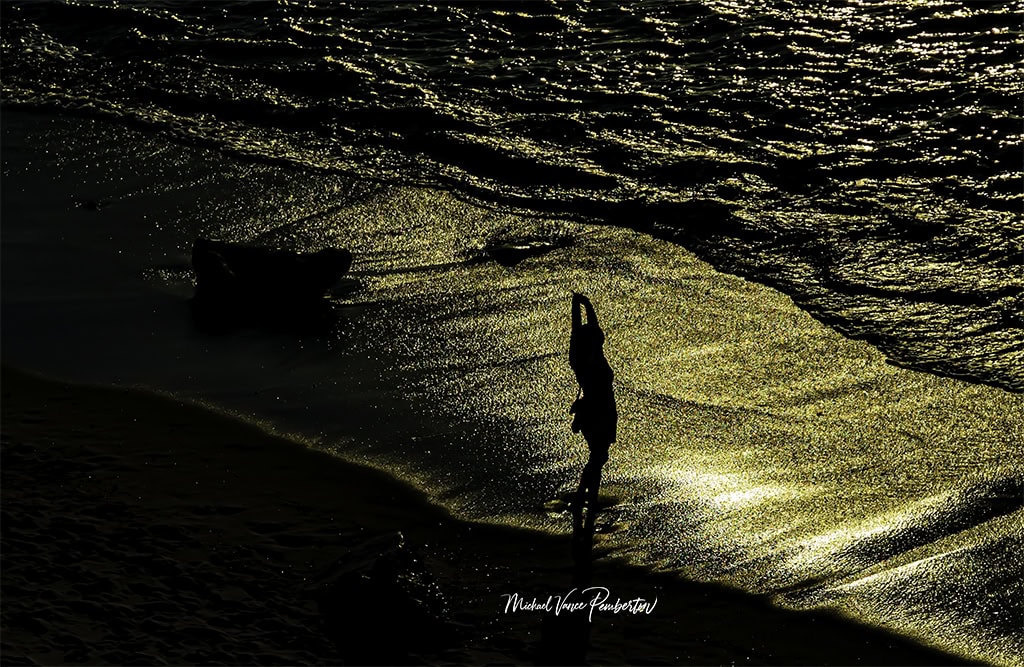
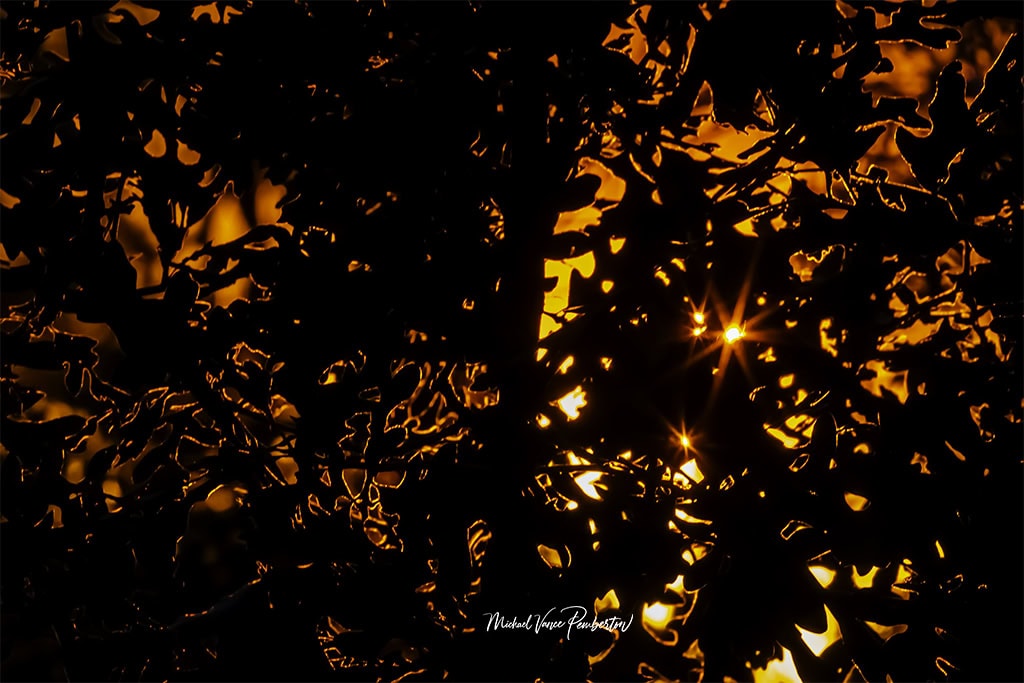
Strip it further. Tree branches like veins against the sky. Human figures for emotional storytelling. Multiple exposures layered for surreal effects. This is where fine art meets experimentation; my abstract side loves it.
Common Pitfalls and How to Avoid Them (With Sarcasm).
- Muddy Mess: Too much ambient light on the subject. Fix: Stronger backlight or more negative exposure.
- Cluttered Edges: Merge with background. Solution: Clean the background or change the position.
- Overdone Post-Processing: Don’t crank contrast until it looks like a bad tattoo. Subtlety wins.
- Boring Sky: Wait for color. A flat gray sky makes even great silhouettes meh.
- Camera Confusion: Auto modes will brighten the subject. Manual or exposure lock is your friend.
I’ve committed every sin. Once, I shot an entire lowrider event in harsh midday light. Results? Silhouettes that looked like cardboard cutouts in fog. Hilarious now. Educational then.
Post-Processing: From Good to Gallery-Worthy
Lightroom or Photoshop is where magic happens.
- Boost contrast and blacks for deep shadows.
- Adjust white balance for dramatic skies.
- Dodge/burn edges for separation.
- Crop ruthlessly for impact.
- For sales: Keep clean files with room for client adjustments.
I often convert to black and white for pure graphic punch, or keep subtle color in the sky for emotion.
Monetizing Your Silhouettes: From Passion to Paycheck.
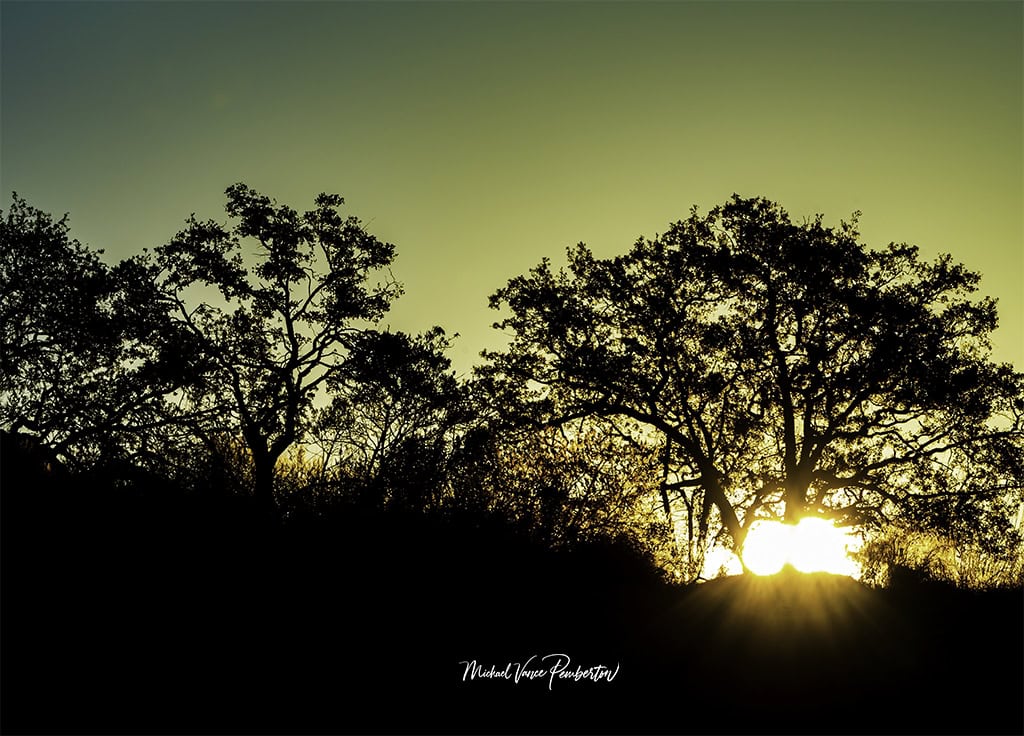
Here’s the motivating business side. Silhouettes sell. They’re versatile for large canvas prints, book covers, album art, NFTs, and interior design. Their minimalist elegance fits modern homes perfectly.
My workflow: Shoot → Edit → Story → Share. Each image gets a backstory: the 20-year swallow wait, the cultural significance of lowriders, the emotion behind an abstract form. People buy stories.
Outreach to many designers taught me: Silhouettes photograph beautifully in room mockups. Price them right. Offer limited editions. Use them in meme coins or branding for viral potential.
Success is around the corner, as my wife says. But you have to walk toward it with a camera in hand.
Advanced Moves and Creative Experiments
- Multiple Subjects: Balanced compositions with interacting silhouettes.
- Motion Blur: Intentional for dynamism.
- Infrared or Creative Filters: For otherworldly effects.
- Smartphone Mastery: Modern phones have pro modes great for travel silhouettes.
- Hybrid Techniques: Combine silhouettes with selective color or light painting.
Push boundaries. Silhouettes freed me creatively when budgets were tight or conditions imperfect. They’ll do the same for you.
The Perseverance Payoff
Twenty-five years in, silhouettes remain a cornerstone of my work. They taught me patience, adaptability, and the power of simplicity. From caregiving roads with Aunt Kathey to chasing swallows across decades, these images represent resilience.
If you’re struggling with technique, sales, or motivation, keep shooting. Your first 100 silhouettes might be trash. The 101st could be the one. Document your progress. Share the journey. The art world needs more creators who refuse to quit.
Funny aside: My wife has watched me chase light for years. She still believes success is around the corner. Turns out she was right about the silhouettes too.
Your Turn: Go Create Shadows with Soul.
Start today. Head out at golden hour. Find a strong subject. Expose for the light behind it. Embrace the learning curve. Laugh at the failures. Celebrate the wins.
Silhouette photography isn’t just about black shapes. It’s about seeing the world in bold new ways. It’s about distilling life’s complexity into powerful simplicity. It’s about proving that with vision, persistence, and a little sarcasm, anyone can create art that moves people.
You’ve got the tools. You’ve got the inspiration. Now go make silhouettes that matter.
The corner is waiting. I’ll see you there, probably covered in desert dust, grinning at another killer shot.
Keep creating. Keep chasing light. And remember: even in the darkest silhouette, there’s incredible beauty.
Recent Posts
Twenty Years in the Wild: The Patience Behind Capturing the Swallow Migration.
The Colorado River near Castle Dome glowed with first light, the water turning from ink to molten copper as the desert woke. Out of the riparian thickets rose a living wave of thousands of Tree...
An Artist’s Journey. Love, Money, Survival, and That Stubborn Refusal to Suck at It.
An artist’s journey is a lot like everyone else’s: you’re out here hunting for love, scrambling for money, and just trying to survive life without face-planting into the void like the rest of...