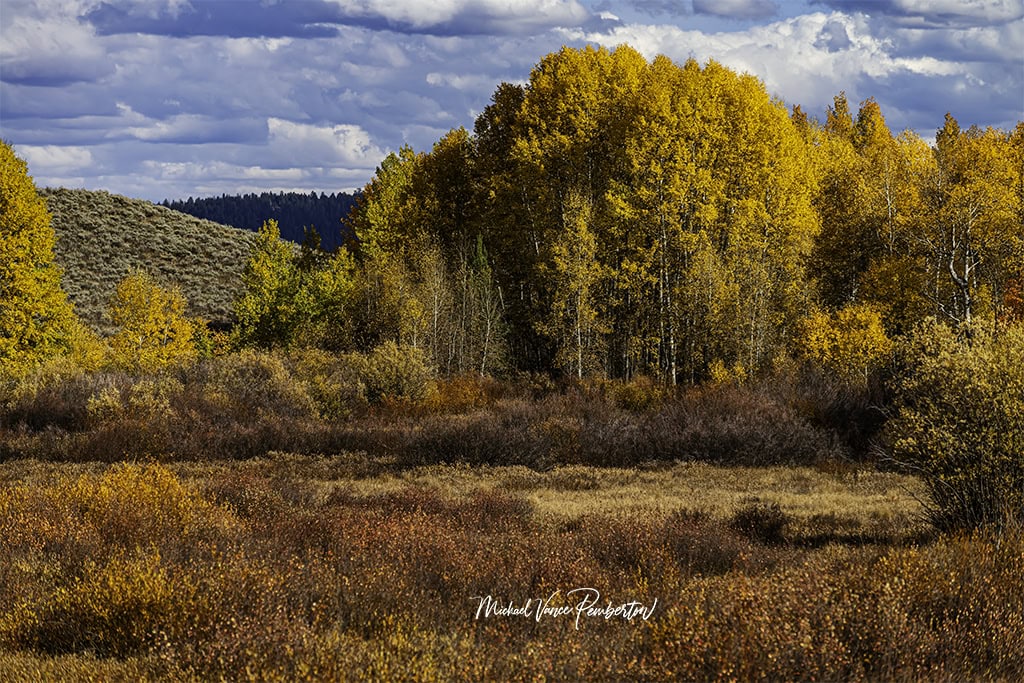

Photographing national parks is one of those pursuits that sounds noble, looks glamorous on Instagram, and in reality often involves waking up at 4:30 a.m., hiking uphill in the dark, and arguing with your tripod in 30-degree wind. Yet despite the early alarms, sore legs, and occasional existential crisis over whether that cloud would have looked better five minutes earlier, photographers keep coming back.
There is a reason for that.
National parks are more than scenic backdrops—they are living archives of natural history, emotional reset buttons, economic engines, and, increasingly, fragile ecosystems that need advocates. Photography sits right at the intersection of all of this. It is art, documentation, storytelling, and, sometimes, a polite way of telling people, “Hey, maybe don’t destroy this place.”
So why is photographing national parks important? The answer is bigger than just getting a great shot of a bison at sunset (although, to be fair, that is a very good reason).
First, photography preserves moments that will never happen again. Nature is not static. The landscape you photograph today is already different tomorrow. Rivers shift, forests burn and regrow, glaciers retreat, and wildlife populations change. Even something as simple as a patch of wildflowers blooming at peak color is a brief event in the grand timeline of a park.
When you photograph a national park, you are capturing a specific moment in time—light, weather, season, and life intersecting in a way that will never be repeated. That image becomes a visual record. Decades from now, someone may look at that photograph and see not just beauty, but history.
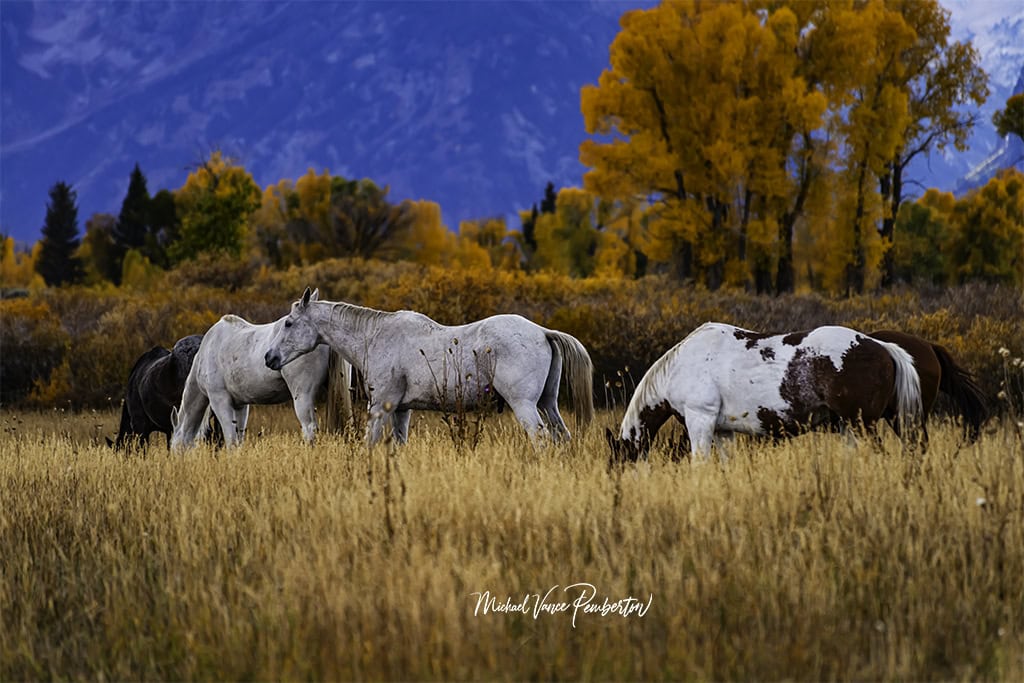
Consider places like Grand Tetons National Park, where wild horses have dramatically receded over the past century. Older photographs show larger herds of horses. Those images are not just pretty—they are evidence. They tell a story about environmental change that words alone cannot fully convey.
And that leads to the second reason: photography raises awareness about conservation. Let’s be honest—most people are not reading scientific reports on ecosystem health in their free time. But they will stop scrolling when they see a stunning image. A photograph has the power to grab attention instantly and communicate something deeper without requiring a paragraph of explanation.
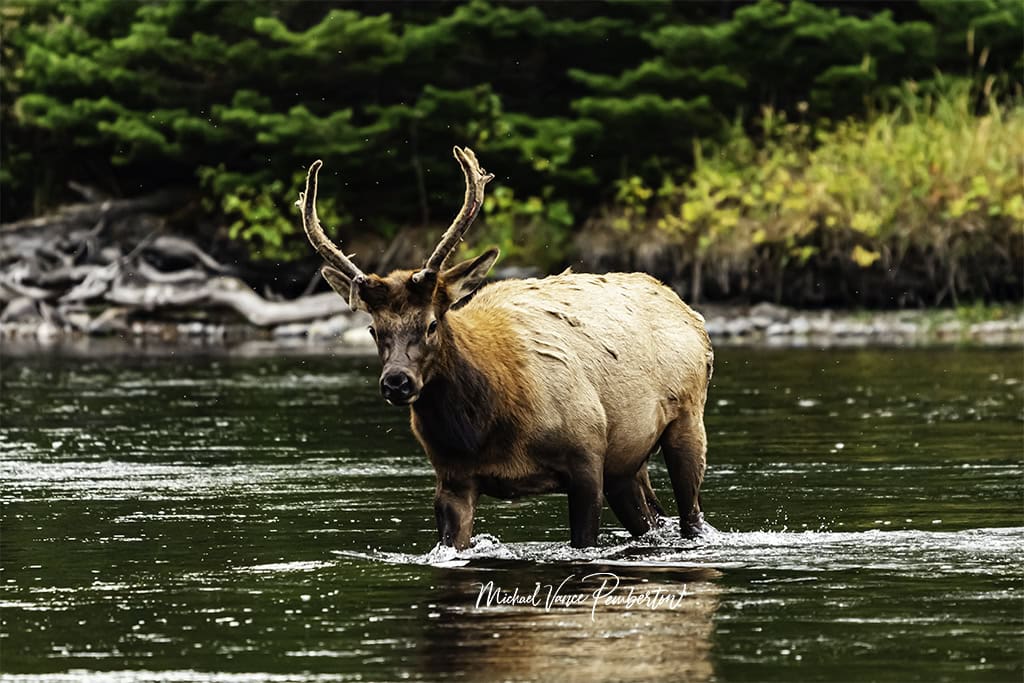
A well-composed image of a lone elk crossing the Yellowstone River under dramatic light can spark curiosity, admiration, and, importantly, concern. When people connect emotionally with a place, they are more likely to care about what happens to it.
Photography makes distant places feel personal. Someone who has never visited Yellowstone can still feel awe when they see a geyser erupting under a golden sky. That emotional connection is often the first step toward supporting conservation efforts, whether through donations, advocacy, or simply choosing to visit responsibly.
Third, photographing national parks helps tell the story of wildlife in a way that is accessible and relatable. Wildlife photography, in particular, plays a huge role in shaping how people perceive animals. A photograph can transform a distant concept—like “bison population management”—into a tangible, emotional experience.
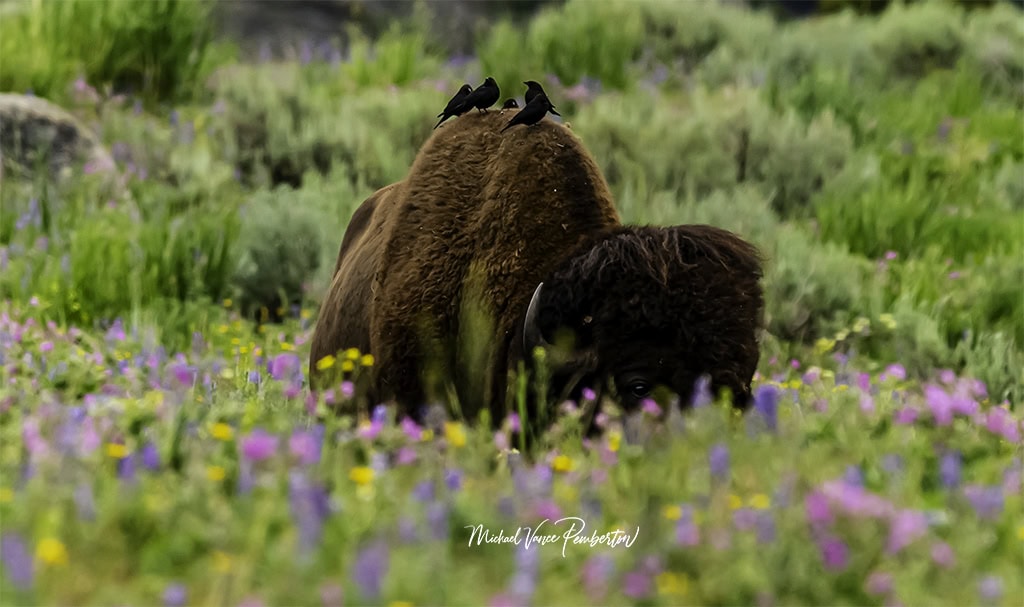
There is something about locking eyes with an animal through a photograph that changes perspective. Suddenly, it is not just “a bison.” It is a living being with presence, weight, and personality. It has texture in its fur, breath in the cold air, and a gaze that seems almost intentional.
That connection matters. When people see wildlife as individuals rather than abstractions, they are more likely to value their protection. Photography bridges that gap.
Of course, wildlife photography also teaches humility. If you have ever spent three hours waiting for the perfect moment only to have your subject turn around and walk away the instant you press the shutter, you understand that nature does not operate on your schedule. And frankly, that is part of the lesson.
Photographing national parks forces you to slow down and pay attention. In a world where everything is fast, curated, and filtered, standing in a quiet landscape waiting for the light to change feels almost rebellious. You begin to notice things you would otherwise miss—the way shadows move across a ridge, the subtle shift in color during golden hour, the sound of wind through trees.
This heightened awareness is not just good for photography; it is good for people. It reconnects us with the natural world in a way that is increasingly rare.
Another important aspect is that photography democratizes access to these places. Not everyone can travel to every national park. Time, cost, physical ability, and geography all play a role. Photographs bring these places to people who may never experience them in person.
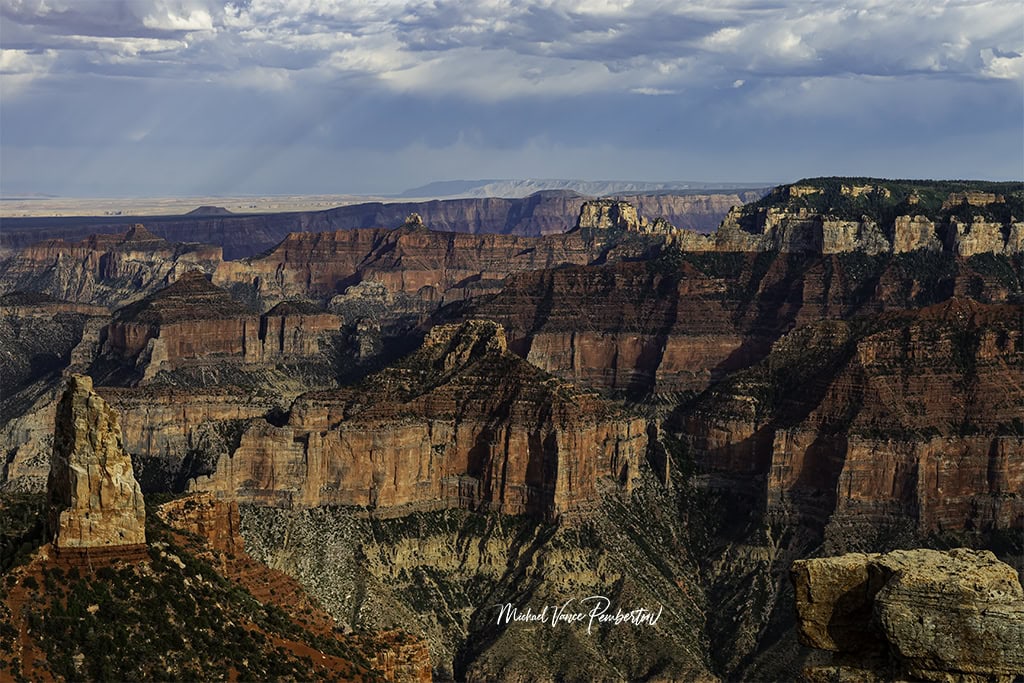
A single image can transport someone from a city apartment to the vast openness of the Grand Canyon or the quiet serenity of the Tetons at sunrise. That accessibility matters. It expands appreciation for public lands beyond those who can physically visit them.
At the same time, photography can inspire travel—and that is where things get complicated. National parks are experiencing record visitation, and while that is great for awareness, it also creates challenges. Overcrowding, habitat disruption, and environmental degradation are real issues.
This is where responsible photography comes into play. The goal is not just to capture beauty, but to do so in a way that respects the environment. Staying on trails, maintaining distance from wildlife, and following park guidelines are not optional—they are essential.
Photographers have a unique influence here. The images they share can shape how others interact with these places. If the only photos people see are of someone standing on a fragile rock formation or getting dangerously close to wildlife, it sends the wrong message.
On the other hand, images that showcase the beauty of a place while subtly reinforcing respect—like a wide shot that emphasizes scale and distance—can encourage more responsible behavior. In this way, photography becomes not just documentation, but guidance.
There is also an economic dimension to consider. National parks generate significant revenue through tourism, and photography plays a role in that ecosystem. Stunning images drive interest, which brings visitors, which supports local communities and conservation funding.
Photographers, whether professional or hobbyist, contribute to this cycle. Their work fuels the desire to explore, to experience, and to connect. At the same time, they have the opportunity to promote sustainable tourism practices that ensure these places remain intact for future generations.
And let’s not ignore the personal benefits, because they are significant. Photographing national parks is good for your mental health. It combines physical activity, creative expression, and time in nature—all of which are known to reduce stress and improve overall well-being.
There is something deeply satisfying about working for a photograph. Hiking to a location, setting up your composition, waiting for the right light—it creates a sense of accomplishment that is hard to replicate in more controlled environments. Even when things do not go as planned (which is often), the experience itself has value.
Plus, there is a certain humor in the unpredictability of it all. You might plan for weeks to capture a perfect sunrise, only to be greeted by a sky that looks like it forgot to show up. Or you finally get the composition dialed in, and a squirrel decides your tripod is a climbing structure.
These moments are part of the process. They remind you that you are not in control—and that is okay.
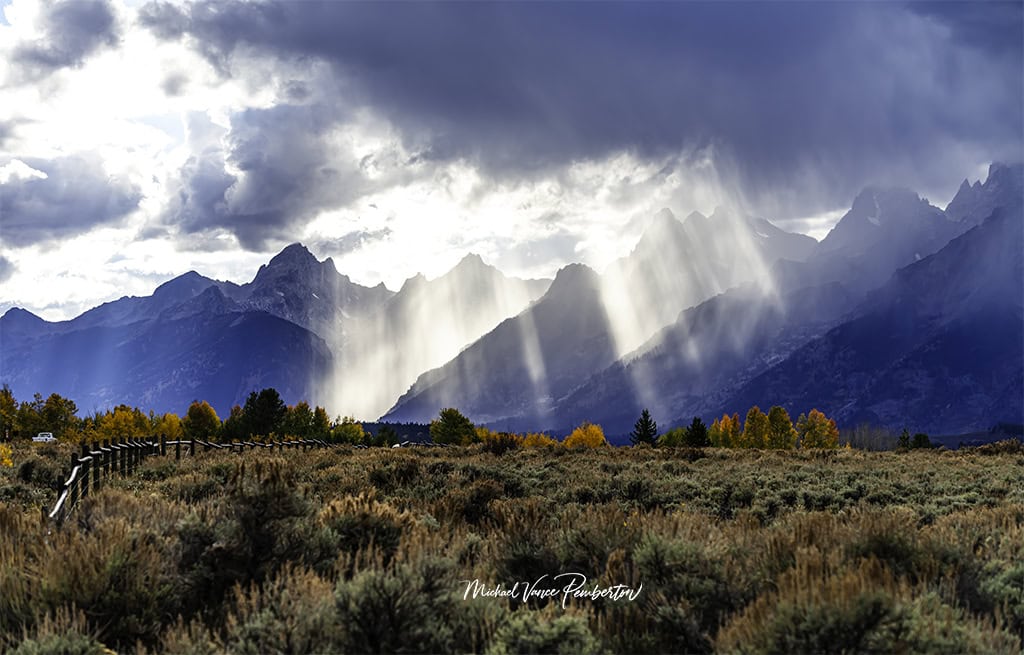
From a creative standpoint, national parks offer an endless source of inspiration. The diversity of landscapes, light conditions, and wildlife means that no two shoots are ever the same. You can visit the same location multiple times and come away with completely different images.
This variability pushes photographers to grow. It challenges you to adapt, to experiment, and to refine your skills. Whether it is mastering exposure in high-contrast scenes, learning to track wildlife, or developing a unique compositional style, national parks provide the perfect training ground.
They also encourage storytelling. A single image can be powerful, but a series of images can tell a richer story—about a place, a season, or a moment in time. This is especially valuable for photographers who are also involved in marketing or content creation.
Images from national parks are not just art; they are narratives. They can be used in print sales, social media, video content, and more. They carry emotional weight, which makes them particularly effective in connecting with an audience.
And yes, there is a business angle here. High-quality images of iconic locations have strong market appeal. People are drawn to scenes that evoke a sense of wonder, nostalgia, or adventure. A well-crafted photograph of a recognizable landscape can resonate with a wide audience.
However, what often sets successful work apart is not just the location, but the perspective. It is not about taking the same photo everyone else takes—it is about finding your interpretation of that place. That might mean focusing on unique light, less obvious compositions, or intimate details that others overlook.
In that sense, photographing national parks is both competitive and collaborative. You are sharing space with other photographers, sometimes literally standing shoulder to shoulder at popular viewpoints. Yet each person walks away with something different.
There is also a deeper philosophical layer to all of this. National parks represent a collective decision to preserve parts of the natural world. They are protected spaces set aside not for profit, but for the benefit of everyone.
Photographing them is a way of participating in that idea. It is a way of saying, “This matters.” Every image is a small act of recognition—a visual acknowledgment that these places are worth preserving.
And perhaps most importantly, photography creates a legacy. Long after the moment has passed, the image remains. It can be shared, printed, revisited, and reinterpreted. It becomes part of a larger story that extends beyond the individual photographer.
Someone might see your photograph years from now and feel inspired to visit a national park, to pick up a camera, or simply to appreciate the natural world a little more. That ripple effect is hard to measure, but it is very real.
So yes, photographing national parks can be challenging. It requires patience, effort, and a willingness to embrace unpredictability. It involves early mornings, long hikes, and the occasional battle with uncooperative weather.
But it also offers something rare: a chance to connect with nature, to create meaningful work, and to contribute to a broader understanding of the world we live in.
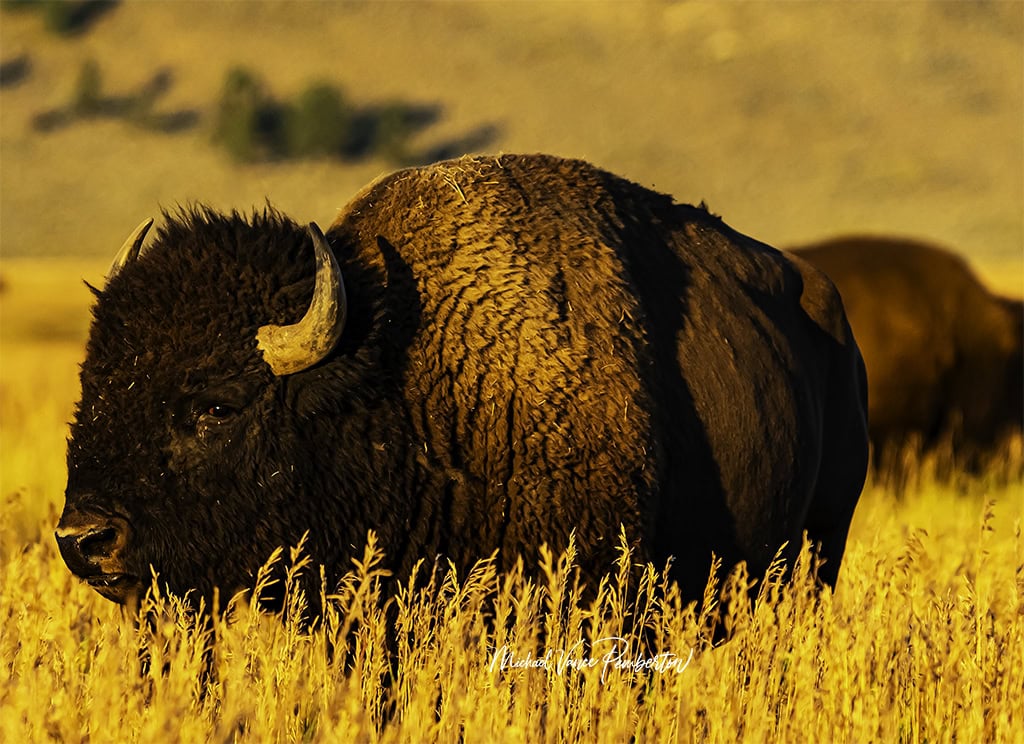
And if you happen to get a perfectly lit shot of a bison standing majestically in the golden light while everything aligns just right—well, that is just a bonus.
Because in the end, the importance of photographing national parks is not just about the images themselves. It is about what they represent: awareness, connection, preservation, and a reminder that some things are still wild, still beautiful, and still worth protecting.
Recent Posts
Twenty Years in the Wild: The Patience Behind Capturing the Swallow Migration.
The Colorado River near Castle Dome glowed with first light, the water turning from ink to molten copper as the desert woke. Out of the riparian thickets rose a living wave of thousands of Tree...
Hey there, fellow shadow chaser. If you’re reading this, you’ve probably stood in golden hour light, watched a bird, a car, or a lone tree melt into a perfect black shape against a blazing sky,...